
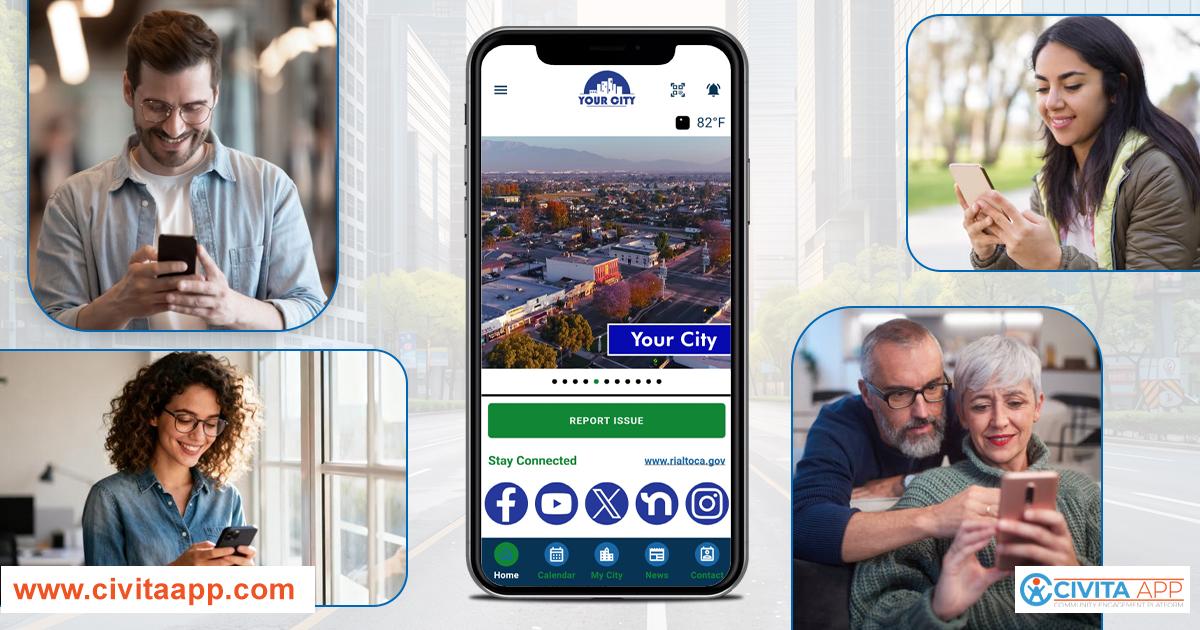
Local governments receive requests about road damage, streetlight problems, waste collection, park maintenance, and other community concerns. Managing these reports through phone calls, emails, and paper forms can make it difficult for city employees to follow each request from submission to completion.
A 311 service request management app gives municipalities a way to receive resident reports, organize service information, assign tasks, and communicate updates. When selecting a platform for 2027, cities should consider more than basic issue reporting. The right features should support residents, administrative staff, and employees working in the field.
Mobile Reporting With Useful Details
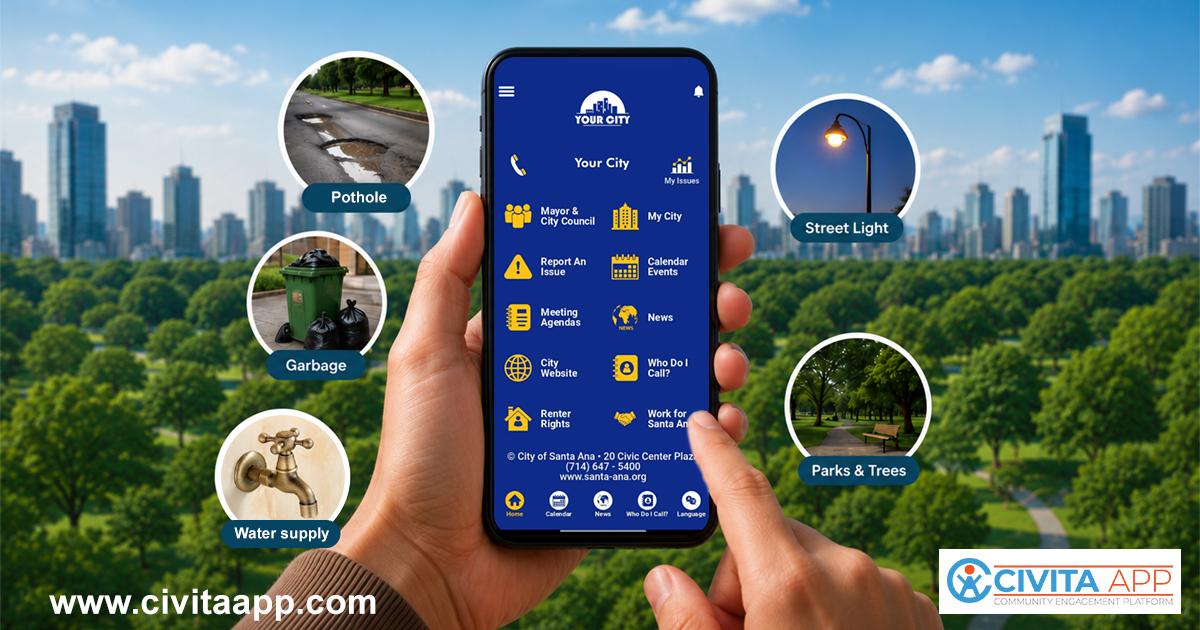
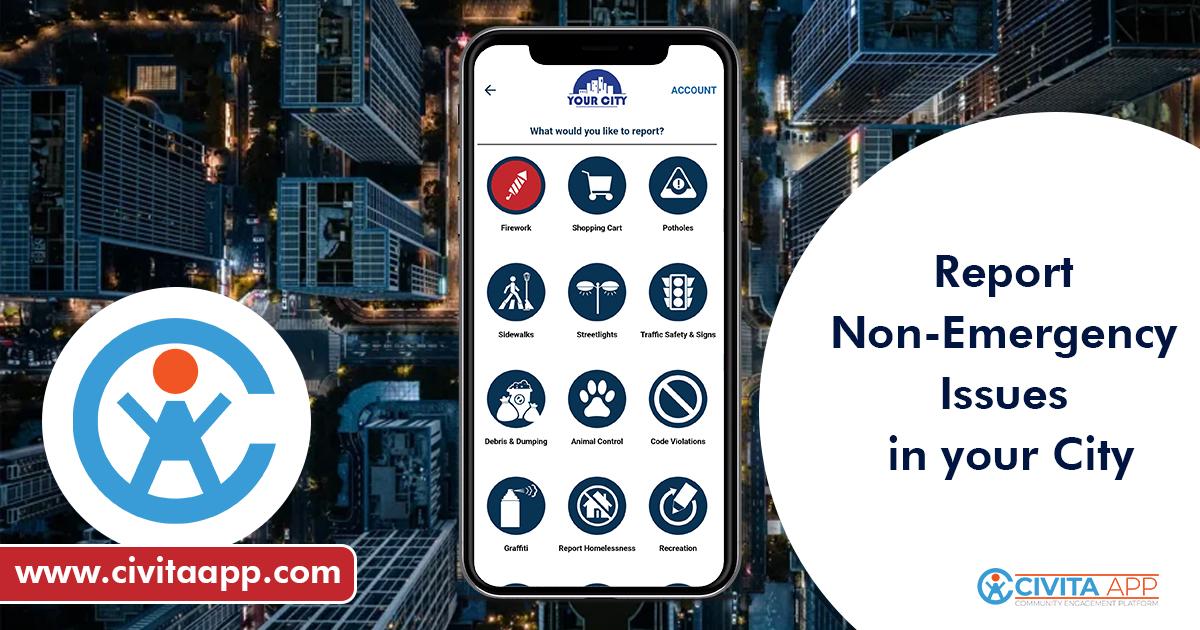
Residents need a convenient way to report local issues without searching for individual department contact information. A mobile application should allow them to select an issue category, describe the concern, attach photographs and provide location details.
For example, a resident reporting a damaged sidewalk can submit a photo and identify the affected area. These details help municipal staff understand the situation before assigning the request.
Civita App offers mobile issue reporting that connects residents with their local government and supports the submission of community service concerns.
Custom Service Categories for Each Municipality
Every city has its own departments, service responsibilities, and reporting requirements. A municipality may need categories for sanitation, transportation, public works, parks, drainage, or facility maintenance.
A configurable 311 application allows administrators to organize categories around their local services. Residents can select the relevant option, while city staff can manage incoming reports according to established procedures.
Civita App supports customizable app content and issue categories, allowing municipalities to configure the reporting experience around their service requirements.
Work Order Assignment for City Employees
Many service requests require action beyond acknowledging a resident’s report. A damaged playground fixture, for instance, may need inspection by a parks employee before repairs can begin.
A useful system should allow supervisors to assign work orders, provide task details, identify locations and monitor progress. Field employees should be able to access their assignments and update the status as work proceeds.
Civita App includes employee-facing mobile tools and work order management features that support task assignment, reassignment, status updates, photographs and work order history.
Integration With Existing Municipal Software
Cities may already use systems for asset management, geographic information, public works, or departmental operations. A new 311 application should be evaluated for its ability to work with these existing tools.
Third-party integrations can reduce the need to enter the same information into multiple systems. Before selecting a platform, municipalities should identify the applications they use and confirm which integrations are available for their specific requirements.
Civita App supports third-party integrations and connectivity with existing municipal systems, with integration options depending on the systems and requirements involved.
Location-Based Information and GIS
Location details are important when a request concerns a public asset or a specific place. City staff need to identify where a problem occurred to determine which team should handle it.
Geographic information system (GIS) capabilities can help municipalities display relevant locations, routes, facilities, and other mapped information. These tools can be useful when managing reports involving streets, parks, public buildings and waste collection routes.
Civita App supports GIS data, custom maps and route information for municipal resources and points of interest.
Resident Notifications and Status Updates
Residents may want confirmation that their report has been received and information about its progress. A 311 application should provide communication options that fit the municipality’s service process.
Notifications can share request updates, while city announcements can communicate roadwork, public events, schedule changes, and other relevant information.
Civita App supports push notifications, resident alerts and messaging features that municipalities can use to communicate service information and community updates.
Multilingual and Accessible Services
Municipal services need to accommodate residents with different language preferences and accessibility needs. Language options can help more community members understand service information and navigate the reporting process.
Cities should also assess accessibility features such as screen-reader compatibility, readable text and contrast options when evaluating mobile applications.
Civita App offers multilingual support and describes its application as ADA compliant, with accessibility features including screen-reader support, adjustable text sizes and high-contrast options. Municipalities should verify that the available configuration meets their own accessibility requirements.
Reporting Tools for City Administrators
Municipal managers need information about the volume and types of requests their departments receive. Reporting tools can help administrators examine recurring concerns, review service activity and understand how requests are distributed.
Dashboards and analytics can also support planning conversations about staffing, maintenance schedules and departmental workloads.
Civita App offers reporting and analytics capabilities, including dashboards and operational insights with available features depending on the selected plan.
Leave A Comment